

Shopping habits have changed dramatically in recent years, making online shopping vs in-store shopping research a key topic for shoppers and retailers alike. While online shopping continues to grow with new technologies and wider reach, many people still prefer traditional in‑store experiences. Understanding the differences, benefits, and drawbacks of each method helps shoppers make smarter choices and helps retailers adapt to evolving customer needs.
This article explains how people shop today, backed by the latest statistics and trends. It looks at why some customers still head to physical stores. In contrast, others favor digital carts and discuss how online shopping vs in-store shopping experiences impact buying decisions.
The Growth Of Online Shopping
Online shopping has exploded in popularity thanks to convenience and wider product access. People around the world now use mobile phones, apps, and websites to browse, compare, and buy products without leaving home. In fact, research shows that online sales have steadily grown and continue to take a larger share of total retail spending each year. For example, online retail sales increased at almost double‑digit rates in recent years, reflecting how many consumers prefer digital buying channels.
Some categories, like electronics and apparel, have become especially strong in online channels, with a significant portion of purchases happening through digital platforms. This reflects how shoppers often value the ability to search for specific items, compare prices, and read reviews before making a purchase.
Why People Love Online Shopping
Convenience And Access
One of the biggest advantages of online shopping is convenience. Shoppers can browse products anytime from home or on the go. There are no store hours to worry about, and people do not have to deal with crowds or travel. Apps and quick ordering options have made it easier than ever to shop for everyday items or special buys.
Many online stores also provide features like saved order histories, recommendations, and one‑click payments. This often makes the purchasing process smoother and faster, especially for repeat buys. Fast shipping options like next‑day or same‑day delivery have become standard expectations rather than premium services.
Wider Selection And Variety
Online shopping opens access to a huge variety of products and brands. Unlike physical shelves that have limited space, online stores can host thousands of products in every category, from niche products to global brands. This wide selection helps people find exactly what they want without traveling from store to store.
Shoppers can also easily compare prices across different online retailers or marketplaces, giving them more control over finding the best deals. For people living in areas with limited store options, this expanded selection is especially valuable.
The Enduring Appeal Of In‑Store Shopping
Sensory Experience And Immediate Satisfaction
Despite the rise of online shopping, in‑store shopping remains an important habit for many people. Research shows that nearly half of consumers still shop in stores regularly, especially for categories like groceries, personal care, and daily needs.
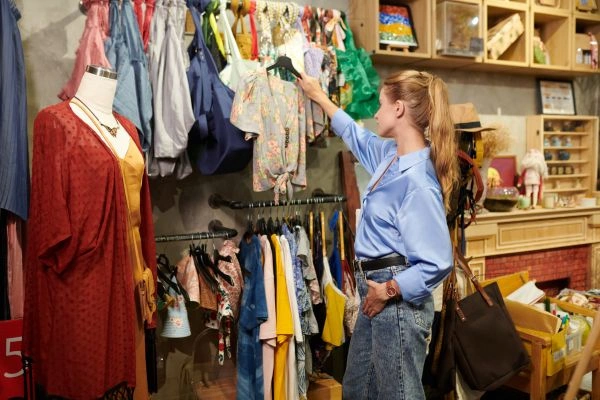
Shopping in person allows customers to see, feel, and try products before buying. Many people enjoy trying on clothes, examining product quality, or getting advice from sales associates before making a decision. These sensory experiences can be difficult to replicate online, even with advanced product images or virtual tools.
Social And Personal Interaction
For many shoppers, a visit to a store is more than a transaction. It is part of a social routine where they enjoy browsing aisles, interacting with staff, and discovering new items. Stores often provide a sense of community and engagement that resonates with shoppers, especially those who value personal service and expert advice.
Shopping Frequency And Habits
Hybrid Shopping Behavior
Today’s shoppers are not strictly online or in‑store buyers. A large portion of consumers use a mix of both channels in their shopping routines. Research shows that many buyers start their product research online but end up making purchases in a store, or vice versa. This hybrid behavior highlights how online shopping vs in-store shopping is not a simple choice but a blended experience for many people.
Hybrid shopping experiences like buy online, pick up in store (BOPIS) and click and collect have grown in popularity. These options combine the ease of online browsing with the immediacy of in‑store pickup, giving shoppers flexibility and reducing delivery costs.
Demographic Preferences
Different age groups show different shopping preferences. Older shoppers are more likely to prefer in‑store shopping because they value personal interaction and sensory experiences. Younger consumers are more comfortable exploring both online and in‑store channels, often starting online and then visiting a store to complete their purchase or vice versa. This reflects how people choose what works best for their needs rather than sticking to a single mode of shopping.
Pros And Cons Of Online Shopping
Advantages
- Convenience and Time Savings
Online shopping allows people to shop from anywhere, at any time. It eliminates the need to travel, wait in lines, or deal with store hours. This convenience makes it especially appealing for busy individuals and those who live far from physical stores.
- Access To Reviews And Comparisons
Shoppers can easily read product reviews and compare prices across platforms with just a few clicks. This helps them make informed decisions and often leads to greater satisfaction with purchases.
- Product Diversity
Online stores offer a wider range of products than local shops. This variety helps shoppers find rare or special items that might not be stocked in every store.
Disadvantages
- Shipping Costs And Times
Delivery fees and waiting for products to arrive can be downsides of online shopping. Free shipping may require a minimum purchase, which could lead shoppers to buy more than they need to qualify.
- No Instant Ownership
When buying online, shoppers must wait for the product to be shipped. This delay can be frustrating for urgent or impulsive purchases.
- Returns And Exchanges
Returning an item bought online can require packaging, drop‑off, and waiting for refunds. This process can feel more time‑consuming than simply returning items at a store.
Pros And Cons Of In‑Store Shopping
Advantages
- Immediate Product Access
One of the strongest advantages of in‑store shopping is that customers can take products home immediately. There is no need to wait for delivery, which is especially important for urgent or last‑minute needs.
- Tactile Validation
Seeing, touching, or trying a product before buying helps reduce uncertainty. This sensory input can improve confidence in a purchase, especially for items like clothing, shoes, or furniture.
- Easy Returns And Exchanges
Returning or exchanging an item in a store is usually straightforward. Customers can often walk in and complete the process within minutes without shipping hassles.

Disadvantages
- Limited Inventory
Physical stores have limited shelf space, so they may not carry the full range of products available online. Shoppers looking for niche items may find better options online.
- Time And Effort
Visiting a store requires travel, parking, and time spent browsing aisles. For people with busy schedules or mobility issues, this can be inconvenient.
- Crowds And Queues
Peak shopping times or sales events can bring crowds and long lines, making the experience less enjoyable for some shoppers.
The Future Of Shopping Experiences
Technology And Personalisation
Technology is reshaping how people shop both online and in physical stores. Artificial intelligence and machine learning tools help online shoppers discover relevant products and get personalized suggestions, while in‑store tech like smart mirrors, digital kiosks, and mobile checkout services are transforming the physical experience.
These advances help blur the lines between online and in‑store channels. For example, customers may start their journey on a mobile app, compare products online, and complete their purchase in a store equipped with augmented reality fitting tools.
Omnichannel Shopping
Omnichannel retail blends the best of both worlds by offering seamless shopping transitions between digital platforms and physical locations. Retailers investing in omnichannel technologies are seeing increased customer loyalty and higher sales, as shoppers enjoy the flexibility to browse, order, and pick up products using a mix of methods.
Which Option Is Right For You?
Choosing between online shopping and in‑store shopping depends on personal needs and circumstances. If convenience, variety, and ease of comparison matter most, online shopping might be the better fit. If immediate access, tactile experience, and personal service are priorities, in‑store shopping could be more satisfying.
In many cases, a combination of both works best. A shopper might research products online and then visit a store to finalize a purchase, or order online and pick up in person to save time and avoid shipping fees. This blended approach gives the flexibility to enjoy the strengths of both methods.
Commonly Asked Questions
Does online shopping replace in‑store shopping?
No. While online shopping has grown significantly, many consumers still prefer in‑store experiences for certain items or occasions.
What drives people to shop in‑store today?
Tactile experience, immediate ownership, and personal service are major reasons people continue to shop in physical stores.
Can online and in‑store work together?
Yes. Omnichannel approaches like BOPIS and hybrid shopping enhance convenience and satisfaction by combining the benefits of both channels.
Online Shopping vs In-Store Shopping Research: Key Takeaways for Smart Buyers
Comparing online shopping and in-store shopping shows that while neither is flawless, each provides distinct advantages. Consumers today benefit from having choices. Whether searching for convenience, variety, personal interaction, or immediate access, understanding how both online and in‑store shopping serve these needs helps people make smarter buying decisions.
As retail continues to evolve with technology and changing customer expectations, the line between online and in‑store experiences will continue to blur. What matters most is finding a shopping style that fits your lifestyle, budget, and preferences.